What is the Minimum Credit Score for an FHA Loan?
Contents
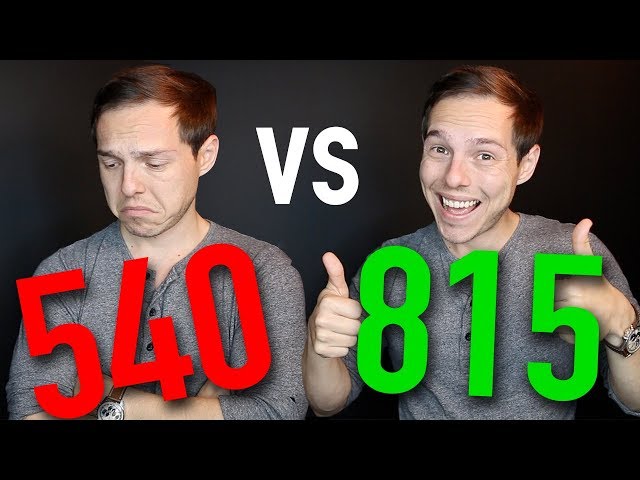
FHA loans have a minimum credit score requirement of 580 for a down payment of 3.5%. If your credit score is below 580, you may still qualify for an FHA loan, but you will need a minimum 10% down payment.
Checkout this video:

The Basics of FHA Loans
The Federal Housing Administration (FHA) is a government agency that provides mortgage insurance on loans made by FHA-approved lenders. Mortgage insurance protects lenders against losses from borrowers who default on their loans. The minimum credit score for an FHA loan is 580.
What is an FHA Loan?
An FHA loan is a home loan that the U.S. Federal Housing Administration (FHA) guarantees. Private lenders like banks and credit unions issue the loans, and the FHA provides backing: If you don’t repay your loan, the FHA will pay the lender instead.
How do FHA Loans Work?
FHA loans are popular because they are one of the easiest types of home loans to qualify for. If you have a credit score of 500-579 you may qualify with 10% down. If you have at least a 580 credit score the required down payment is 3.5%.
How do FHA loans work? The Federal Housing Administration (FHA) insures these loans which are issued by approved lenders. This insurance protects the lender from losses that might result from borrower default. Borrowers must pay mortgage insurance to the FHA which protects the lender in case the borrower defaults on their loan.
The minimum credit score for an FHA loan is 500 and the maximum credit score is 579. Borrowers with a credit score over 580 may qualify for an FHA loan with a 3.5% down payment. Borrowers with a credit score below 580 will need at least a 10% down payment.
The Minimum Credit Score for an FHA Loan
In order to obtain an FHA loan, borrowers must have a minimum credit score of 580 on a scale that ranges from 300 to 850. Although it’s possible to get an FHA loan with a lower credit score, it will be more difficult and it will cost more. Let’s take a look at why the minimum credit score for an FHA loan is so important.
What is the Minimum Credit Score for an FHA Loan?
In order to qualify for an FHA loan, borrowers must have a credit score of 580 or higher. However, borrowers with a credit score of 580 or higher will be required to put down at least 3.5% of the purchase price of the home as a down payment.
How to Improve Your Credit Score for an FHA Loan
There are a number of ways to improve your credit score, but some methods will take longer than others. You can try some of the following techniques:
-Pay your bills on time: This is one of the most important steps you can take to improve your credit score. Payment history is the biggest factor in calculating your score, so regularly paying your bills on time is crucial.
-Keep balances low on credit cards and other “revolving credit”: Your credit utilization – or the amount of debt you’re carrying compared to your credit limit – makes up 30% of your credit score. So, it’s important to keep your balances low, particularly on revolving accounts like credit cards.
-Avoid opening too many new accounts at once: Opening several new credit accounts in a short period of time can hurt your score. So, if you’re planning on applying for an FHA loan, you should avoid opening any new lines of credit in the months leading up to your application.
-Check your credit report for errors and dispute them: You’re entitled to one free copy of your credit report from each of the three major credit reporting agencies every year. Reviewing your report carefully can help you catch errors that could be dragging down your score. If you do find mistakes, you can file a dispute with thecredit bureau to have them removed.
Other Factors that Affect Your Eligibility for an FHA Loan
In order to get an FHA loan, you’ll need a credit score of at least 580. However, just because you have a580 credit score doesn’t mean you’re automatically eligible. Lenders will also look at other factors, such as your employment history, income, and debts. In this article, we’ll go over all the factors that lenders will consider when determining whether or not you’re eligible for an FHA loan.
Debt-to-Income Ratio
Your debt-to-income ratio, or DTI, plays a large role in whether you’re ready to qualify for an FHA loan. DTI is the percentage of your monthly income that is dedicated to paying your debts.
The general rule is that your DTI should be no more than 43% in order to qualify for an FHA loan. However, there are some exceptions. If you have a lot of non-recurring income, such as alimony or child support, that can be factored into your DTI. In addition, if you have established a strong history of responsible financial management, you may be able to qualify for a loan with a DTI of up to 50%.
To calculate your DTI, simply add up all of your monthly debts (including your mortgage payment, car payment, student loans, credit card payments, etc.) and divide by your monthly income. If the resulting number is less than 43%, you should theoretically be able to qualify for an FHA loan.
Employment History
In order to get an FHA loan, you must have a good employment history. This means that you have worked for the same employer for at least two years. If you have been employed for less than two years, you may still be eligible for an FHA loan if you can show that you have a history of steady employment.
Mortgage History
Your mortgage history is an important factor in determining your eligibility for an FHA loan. If you have filed for bankruptcy in the past, you may still be eligible for an FHA loan if you have since re-established good credit. However, if you have had a foreclosure or deed-in-lieu of foreclosure in the past, you will not be eligible for an FHA loan.