What is a Virtual Credit Card and How Does It Work?
Contents
A virtual credit card is a credit card number that is generated by a financial institution. It can be used for online shopping just like a regular credit card, but it is not physically issued.
Checkout this video:

Introduction
A virtual credit card is a credit card that exists solely in digital form. You can use it to make online purchases just like a regular credit card, but it doesn’t have a physical form. This makes it more secure than a regular credit card, because it’s much harder for someone to steal your information if they can’t get their hands on your card.
When you use a virtual credit card, the merchant charges your account just like they would with a regular credit card. You’ll see the charge on your statement, and you’ll be responsible for paying it off just like any other purchase.
Virtual credit cards are becoming increasingly popular as people do more and more shopping online. If you’re looking for an extra layer of security when shopping online, a virtual credit card might be right for you.
What is a Virtual Credit Card?
A virtual credit card is a credit card that exists only in digital form. You can’t physically hold a virtual credit card in your hand, but you can use it to make purchases online, over the phone or anywhere else that accepts credit cards.
Virtual credit cards offer the same protections as regular credit cards, and you can use them anywhere that accepts major credit cards like Visa, Mastercard or Discover.
Virtual credit cards are different from prepaid debit cards in that they’re backed by a line of credit from a financial institution. This means you’ll likely have to go through a credit check to get approved for a virtual card, and you’ll be required to make regular payments on any balance you carry.
How Does a Virtual Credit Card Work?
Virtual credit cards work just like regular credit cards, with a few key differences.
When you open a new line of credit, you’re given a physical card with your name, account number and expiration date. You can use this card to make purchases anywhere that acceptscredit cards. Your account information is also stored electronically on the issuer’s servers.
When you want to make a purchase with your virtual credit card, you’ll need to provide your account number and expiration date just like you would with a regular credit card. The funds for your purchase will then be transferred from your issuer to the merchant’s bank account.
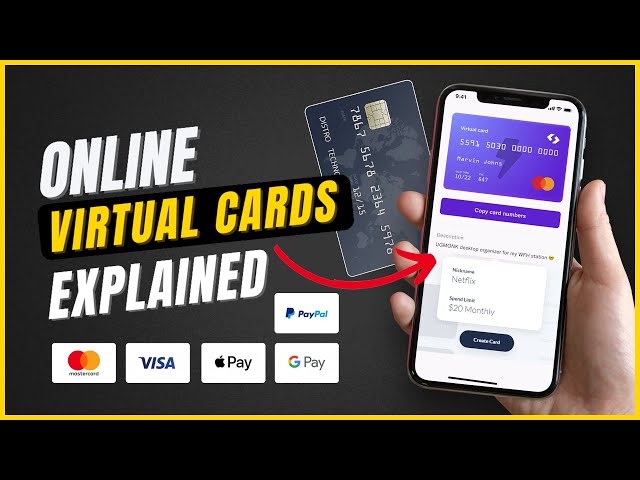
Virtualcreditcards may also come with additional security features that aren’t available with regular cards. For example, some issuers allow you to set spending limits or create one-time-use cards for online transactions. These features can help protect you from fraud by limiting the amount of money that can be charged to your account.
How Does a Virtual Credit Card Work?
A virtual credit card is a credit card number that is generated by your credit card issuer, on your behalf, for online use. A virtual credit card is not a physical card, but rather, an account number that is used like a normal credit card for online purchases.
Virtual credit cards are designed to offer the same level of security as a physical credit card, but with the added convenience of not having to carry a physical card around with you. When you make an online purchase with a virtual credit card, the merchant will never see your real credit card number – only the virtual account number that is generated for that specific transaction.
Virtual credit cards are typically used for one-time transactions or for transactions with unknown or untrusted merchants. This can be helpful if you’re worried about your personal information being stolen in an online data breach, or if you’re concerned about giving yourcredit card information to a new or unfamiliar merchant.
If you’re interested in using a virtual credit card, contact your credit card issuer to see if they offer this service.
Advantages of Using a Virtual Credit Card
When you use a virtual credit card, you’re essentially using a “disposable” credit card number that is linked to your real credit card. Virtual credit cards can be used for online shopping just like regular credit cards, but they offer some additional advantages.
First, because virtual credit cards are not connected to your primary credit card account, they can help you protect your personal information from being stolen in a data breach. If a retailer you’ve shopped with is hacked and your regular credit card number is compromised, you can cancel the virtual credit card without affecting your primary account.
Second, virtual credit cards can help you control your spending. You can set spending limits on each virtual card, which can help you stay within budget and avoid racking up debt on your primary credit card.
Third, virtual credit cards can help you manage multiple accounts and transactions. If you have multiple business expenses or need to keep track of spending for different members of your household, you can use different virtualcredit cards for each expense category. This can make it easier to stay organized and keep track of where your money is going.
Virtualcredit cards are not without drawbacks, however. First, because they are not physical cards, they can be easy to lose track of if you don’t have a good system for storing them (we recommend using a password manager). Second, not all retailers accept virtualcredit cards, so you may need to have a regular credit card as backup. Finally, because virtualcredit cards are not connected to your primary account, it can be easy to overspend without realizing it—which defeats the purpose of using one in the first place!
Disadvantages of Using a Virtual Credit Card
There are a few disadvantages to using a virtual credit card, even though they provide a high level of security for online transactions. First, if you lose your device or it is stolen, you will need to cancel the card and get a new one, which can be a hassle. Second, not all merchants accept virtual credit cards, so you may need to have a backup form of payment. Finally, you may be charged a small fee by your card issuer for the convenience of using a virtual credit card.
How to Get a Virtual Credit Card
A virtual credit card is a credit card that exists only in digital form. You can use it to make online purchases just like a regular credit card, but without having to carry around a physical card.
To get a virtual credit card, you simply need to sign up for an account with a provider. Once you have an account, you can add funds to your virtual card and use it to make online purchases. When you make a purchase, the funds are deducted from your balance just like they would be with a regular credit card.
There are several advantages of using a virtual credit card. First, it can be more secure than using a regular credit card, since your actual credit card number is never shared with the merchant. Second, it can be easier to keep track of your spending since you can see all of your transactions in one place. And finally, if your virtual card is ever lost or stolen, you can simply cancel it and get a new one without having to go through the hassle of getting a new physical credit card.
Conclusion
A virtual credit card is a credit card number that is generated by a financial institution. The number is generated by a computer program and is not physically printed on a card. Virtual credit cards can be used for online purchases, over the phone, or in person.
Virtual credit cards are one way to help protect yourself from fraud. When you use a virtual credit card, the merchant never has your actual credit card number. This means that even if the merchant’s systems are hacked, your real credit card number will not be compromised.
Some financial institutions offer virtual credit cards as a service to their customers. Others require that you have a physical credit card in order to generate a virtual one. If you’re interested in getting a virtual credit card, contact your bank or financial institution to see if they offer this service.