How to Find Your Credit Card Account Number

Find your credit card account number by following these simple steps.

Checkout this video:
Look at the front of your credit card

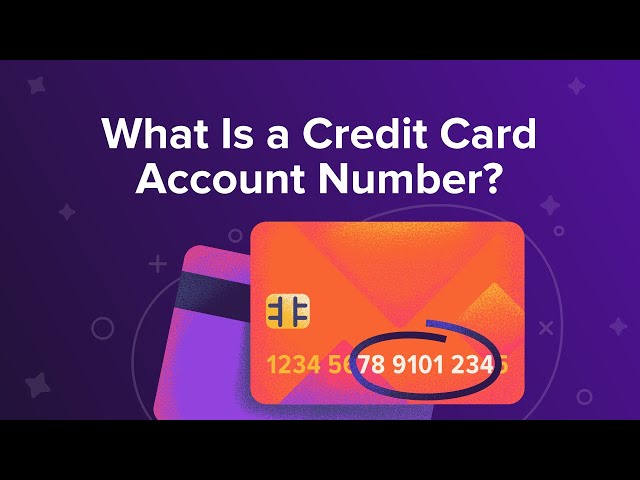
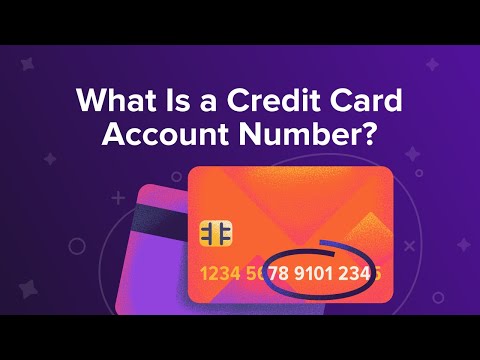
Your credit card account number is usually (but not always) the 16-digit number embossed on the front of your credit card. If your credit card has only 15 digits, the account number may be embossed or printed above or below the main credit card number on the front of your card. If you can’t find your credit card account number on the front of your card, flip it over and look at the back. The account number may be printed (usually in small type) along with your signature panel. If you still can’t find it, call your credit card issuer and they should be able to give you your account number.

Find the section of numbers on the front of your credit card

The account number on your credit card is usually a 16-digit number, although some cards may have more or fewer digits. The account number typically appears in a section of numbers at the bottom of the front of your credit card, to the right or left of the signature strip.

Locate your account number in that section of numbers

The account number on your credit card is usually (but not always) be a 16-digit number. You can usually find it on the front of your card, to the right of the long card number.

If you have a credit card with a chip, you may also see a small logo or “chip” above the account number. If you have a rewards card, you may see your account number printed above or next to your rewards program information.

Your account number is the second set of numbers in that section

From the main menu, choose “Accounts.” Select the account for which you want the number. Look at the section of numbers above your account name. Your account number is the second set of numbers in that section.

Similar Posts

  • What Is KPI In Finance?

    ContentsWhat are KPIs?What is a KPI in finance?How can KPIs be used in finance?What are some common KPIs in finance?How can KPIs be used to improve financial performance?What are some best practices for using KPIs in finance?How can KPIs be used to monitor financial risks?What are some challenges with using KPIs in finance?How can KPIs…

  • How Credit Scores Work: Everything You Need to Know

    ContentsIntroductionHow Credit Scores Are CalculatedPayment historyCredit utilizationLength of credit historyTypes of creditNew creditThe Impact of Credit ScoresOn your ability to borrow moneyOn your insurance ratesOn your employment prospectsWays to Improve Your Credit ScorePay your bills on timeKeep your credit utilization lowDon’t open new credit accounts unnecessarilyDispute errors on your credit reportConclusion Your credit score is…

  • What Happens if You Default on a Loan?

    ContentsThe Consequences of DefaultYour credit score will dropYou will be suedYour wages could be garnishedYou could lose your propertyHow to Avoid DefaultPrioritize your debtsCreate a budgetConsider debt consolidationSpeak to your lender If you default on a loan, it means you failed to make the required payments on time. This can have serious consequences, including damage…

  • What Does an Unsecured Loan Mean?

    ContentsIntroductionWhat is an unsecured loan?Unsecured loans and secured loansThe difference between an unsecured loan and a secured loanHow does an unsecured loan work?Applying for an unsecured loanThe process of getting an unsecured loanWhat are the benefits of an unsecured loan?No collateral requiredFast and easy to getLower interest ratesWhat are the risks of an unsecured loan?Higher…

  • How to Get a Credit Line Increase

    ContentsRequest an increase onlineGo to your credit card issuer’s websiteLog in to your accountFind the “request credit line increase” optionEnter the amount you want to increase your credit line byRequest an increase by phoneCall your credit card issuer’s customer service numberAsk to speak to a representative about increasing your credit lineTell the representative the amount…